
Summer is finally here, bringing with it glorious sunshine and long, balmy days. But as temperatures climb into the high 20s over the coming weeks, it's important to remember that the weather we've waited for can pose a serious threat to dogs.
As temperatures rise, so does the risk of heatstroke in dogs – a potentially life-threatening condition pet owners should be aware of.
"A temperature of up to 23°C is fine for dogs to be out and about in. However, with temperatures above 24°C, it becomes rather dangerous for dogs to exercise outdoors. If it reaches above 30°C, the dog is at a very high risk of heatstroke," says canine behaviourist Debby Lucken.
Which dogs are most likely to overheat?
While any dog can develop heatstroke if they are left outside in the sun for too long, some breeds are more susceptible.


This includes flat-faced and short-snouted brachycephalic breeds, such as French Bulldogs, Pugs and Boston Terriers. Rachel Rodgers, a clinical animal behaviourist and resident dog expert at Napo pet insurance, explains that these breeds are particularly at risk because of their compromised ability to breathe efficiently.
Thick-coated breeds, like Golden Retrievers and Chow Chows, also have an increased risk of heatstroke, while giant breeds, like Great Danes and Saint Bernards, struggle with temperature regulation, says Rachel.
The same goes for overweight dogs, puppies and elderly dogs, as their bodies aren’t as efficient at managing heat, and those with existing health issues such as cardiovascular disease.


How do you check if your dog is overheated?
According to Rachel, the warning signs of heatstroke are:
- Excessive panting
- Increased heart rate – although tricky for owners to detect, this indicates internal overheating.
- Pale or bright red gums – dehydration or overheating can be identified by changes in gum colour, and the gums may also feel tacky to the touch.
- Warm to the touch in areas such as the ears and belly, especially in puppies.
- Pacing and inability to settle, or conversely, lethargy
The most severe signs are signs of heatstroke are disorientation, foaming at the mouth, vomiting, bloody diarrhoea, seizures and collapse. However, Rachel warns that if you pay close attention to your pup, it shouldn’t get to this stage.
"If you are concerned about your dog's physical wellbeing or notice any abnormal behaviour, it is crucial to contact your vet immediately. Always prioritise their health and welfare above all else," she urges.
How can you make sure your dog stays cool?
"During the height of summer, only walk your dogs early in the morning and late at night, and never leave your dog in a car," says veterinary surgeon, Michael Edwards.


- Block out the sun: Keep curtains drawn during the day and stop dogs from entering conservatories or sun-trapped rooms. “Never leave them in these spaces unattended,” says Rachel. In outdoor spaces, set up shaded areas with parasols or umbrellas.
- Use cooling mats: Put out cooling mats wherever your dog likes to sleep. Some mats are filled with a self-cooling gel that remains cool without refrigeration, while others need to be popped in the freezer before use and will lose efficacy over time. Pay close attention to the instructions on yours.
- Make cool treats: Keep your dog’s water bowl topped up and keep your freezer stocked with cooling treats. The Kennel Club have a great list of cooling recipes to try.
- Try paddling pools: Dog paddling pools filled with cool water are a fun and effective way to keep your dog comfortable. Remember to always place your pools in a shaded area.
Crufts - Self Cooling Pet Dog Gel Mat 40cm x 30cm Travel Playing Training Pad

Crufts - Self Cooling Pet Dog Gel Mat 40cm x 30cm Travel Playing Training Pad
What should you do if your dog has heatstroke?
Dogs with heatstroke need immediate and urgent care to help lower their body temperature gradually. The Royal Veterinary College urge a 'cool first, transport second' approach as the first aid response.
- Immerse your dog in cold water while keeping their head and nose supported above the water. If you can't immerse them, pour cool water over their body avoiding the muzzle.
- Move your dog to a shaded area
- Allow them to drink small amounts of cool water, but don't force them to drink.
- Take them to the nearest vet once they begin to cool down, laying them on a cooling mat, ideally in an air-conditioned vehicle.
Common myths to be aware of
Some widely circulated myths related to heatstroke care include wrapping your dog in a damp towel. Whilst better than no active cooling, it is not nearly as effective as water immersion, advises the Royal Veterinary College. And if towels aren't cool enough, they can trap heat against your dog's body.
Always consult your vet about health-related issues.
6 must-have products to keep your dog cool during a heatwave

Crufts Pet Paddling Pool
Coming in at 120cm x 30cm, dogs big or small can cool off in this durable and versatile pet paddling pool. Simply fill with water and allow your dog to come and go as they please.

Ensure your dog stays hydrated with this portable water bottle – complete with a built-in dispenser and mini bowl for your pet to drink from on-the-go.

Whether you're heading to the beach for the day or simply excited to enjoy a leisurely hot day in the garden, this pop-up tent offers a cosy space to keep dogs cool.

This non-toxic chew toy is kept in the freezer for long lasting cooling and refreshment.
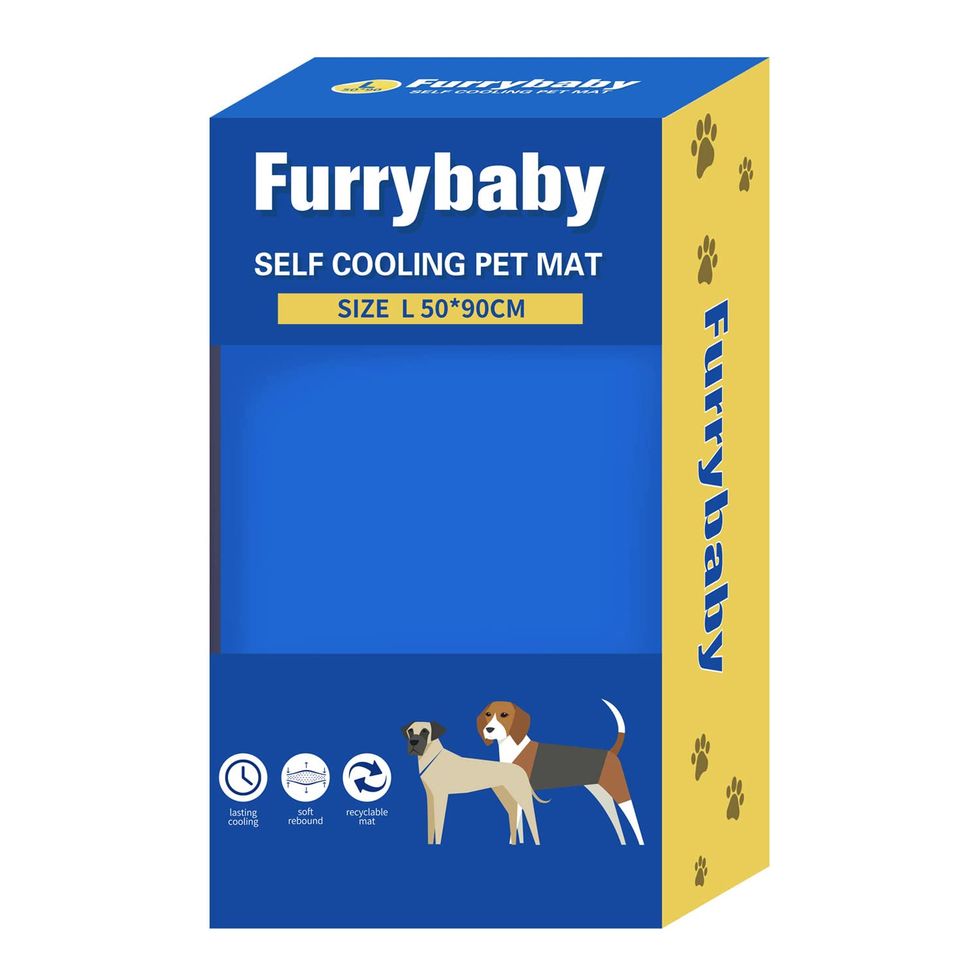
High-quality waterproof PVC material provides a safe environment for your pets to cool down. You do not need to soak, freeze or refrigerate this pad for it to work.
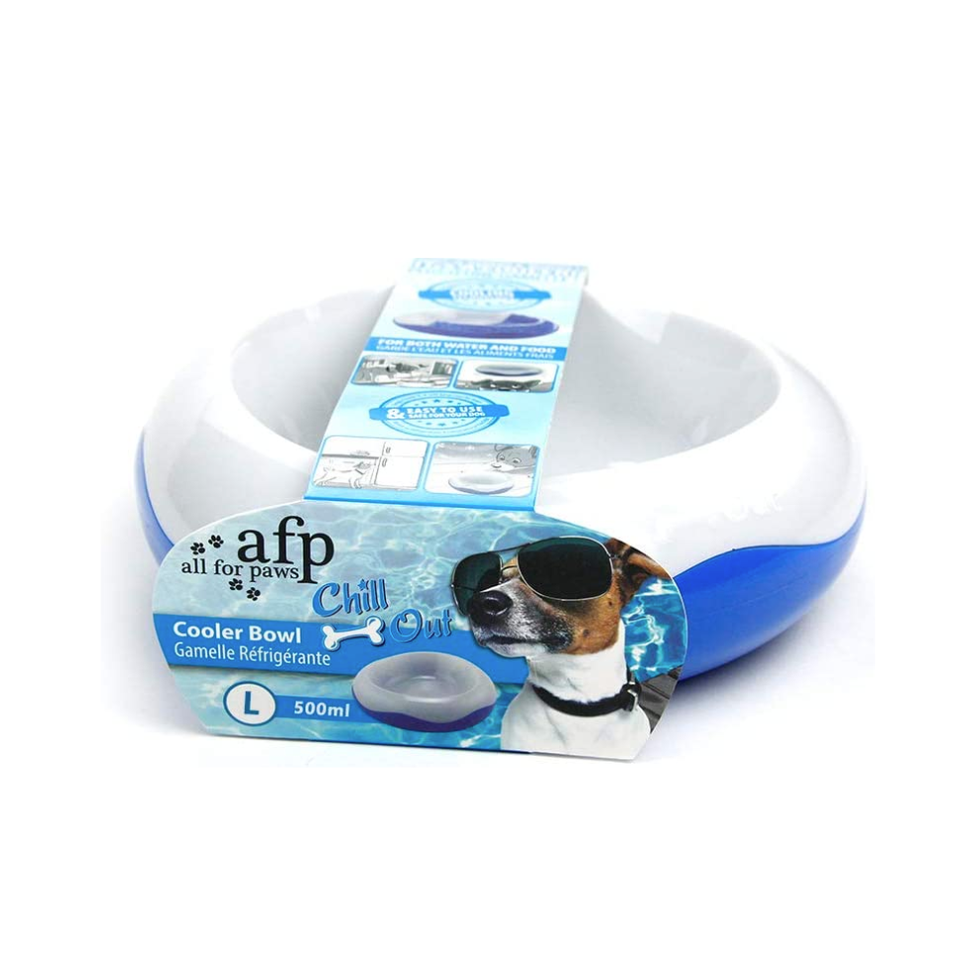
Chill both your dog's water and food during a hot day with this bowl that can be kept in the freezer to give your pup a refreshing drink or meal.
Lisa Joyner is the Deputy Daily Editor at House Beautiful UK and Country Living UK, where she's busy writing about home and interiors, gardening, dog breeds, pets, health and wellbeing, countryside news, small space inspiration, and the hottest properties on the market. Previously, she has written for Conde Nast Traveller, House & Garden and Marie Claire magazine. Lisa studied at University For The Creative Arts, where she completed a BA in Fashion Journalism.
Wanda Sachs is the Multiplatform Writer for Country Living and House Beautiful, exploring the latest in gardening, wildlife and sustainable living alongside interiors and property. She is particularly interested in human-interest stories, the intersection of design and pop culture, and the evolving relationship between urban and rural life. Previously, she served as Associate Editor at The Berliner in Berlin, where she reported on culture and fashion. Wanda studied English and German at the Goethe University Frankfurt and Exeter University.


