We're all doing what we can to survive the summer heat – from opening windows on opposite sides of the house to strategically positioning fans and trying desperately to stop our plants from giving up.
But while we're focused on keeping cool, the soaring temperatures are creating ideal conditions for some of the UK's most common household pests.
According to a British Pest Control Association (BPCA) report, warmer weather is closely linked to increased pest activity. As temperatures rise, these pesky creatures become more active. They breed faster, forage more aggressively and sneak indoors in search of shade, water and food.
Here are five pests most likely to thrive during a heatwave, and how to stop these unwelcome visitors from making themselves at home.
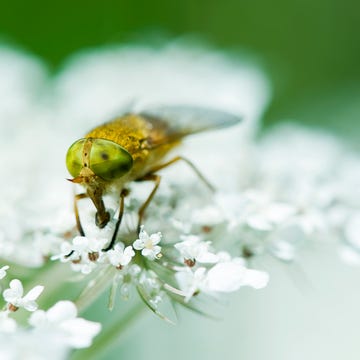
Flies
Higher temperatures compress a fly's lifecycle drastically. What would take three weeks to develop in spring happens in three days during a heatwave – eggs hatch, larvae mature and populations spike overnight
The result is a kitchen that feels suddenly and inexplicably busier. Keep it under control by emptying bins frequently, covering food, wiping surfaces after cooking and fitting fly screens to windows and doors.
What to Read Next


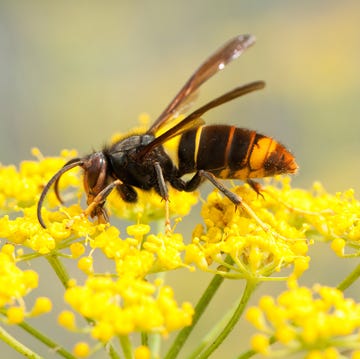
Wasps
Warm, dry weather can lead to larger and more active wasp populations. Higher temperatures support nest building and increase wasp activity as they search for food, often resulting in larger colonies later. According to National Geographic, by late summer a colony can have more than 5,000 wasps.
Check sheds, lofts, garages and roof eaves for early-stage nests now. They're much easier and cheaper to deal with than established ones. When eating outside, keep food and drinks covered and bin lids firmly closed.
Ants
A line of ants across a kitchen floor or worktop may seem like a minor nuisance, but it often signals a much larger colony nearby.
Warm weather encourages swarming and the establishment of new colonies. Once ants discover a reliable food source, they leave behind pheromone trails that guide other ants to the same location.
Bait stations are generally more effective than sprays because worker ants carry the bait back to the nest, tackling the problem at its source. Food should be stored in sealed containers, surfaces cleaned regularly and entry points around doors and windows sealed where possible.


Moths
Hot weather can help moth populations thrive by speeding up breeding cycles and extending periods of activity.
Although adult moths are generally harmless, their larvae can damage natural fibres such as wool, silk and cashmere. Pantry moths can also contaminate dry foods stored in cupboards.
Regular vacuuming can help reduce the risk of an infestation, particularly in wardrobes, carpets and dark, undisturbed areas where moths are likely to lay eggs. Clothing made from natural fibres should be stored in sealed garment bags, while dry foods should be kept in airtight containers.
Silverfish


Silverfish may not be the first pest that comes to mind during a heatwave, but as we seal up homes to keep heat out, ventilation drops, humidity builds and silverfish quietly get to work.
These insects thrive in warm, humid environments such as bathrooms, kitchens and utility rooms. They feed on starchy materials including paper, wallpaper paste and certain fabrics, causing slow, cumulative damage that's easy to miss until it's extensive.
Reducing moisture levels is the most effective way to discourage silverfish. Use extractor fans, improve ventilation where possible and check for leaks under sinks and around appliances. Sticky traps can also help monitor and reduce activity.
Sunny Season Shopping

Cara & The Sky Jodie Ribbed Knitted Cami Vest - White

ArtHouse Willows Traditional Italian Style Panaro Basket woven in Willow and Cane

Collymoon Craft Gin Gealach Úr 20cl - Delicate classic juniper and coriander Craft Gin

At Last… Cotton Marigold Dress in Khaki

Fleur de Trésor Statement earrings with colourful flowers in silver