
Think gardening season is almost over? This is actually one of the best times of year to grow vegetables. Many crops prefer the cooler days of late summer and fall, and if you plant them now, you’ll be harvesting fresh lettuce, carrots, broccoli, kale, and more long after your tomatoes have finished producing.
Can You Still Plant Vegetables This Late?
Yes. In fact, many cool-season vegetables grow better in late summer than they do in spring because the soil is still warm but they’re maturing as temperatures cool. The key is choosing crops with enough time to mature before your area’s average first frost.
To check to make sure they have enough time to mature, start by looking at the “days to maturity” on the plant tag or seed package, then count backward from your area’s estimated first frost date. Check your estimated first frost day here if you’re not sure when yours might be.
Choose Vegetables That Mature Quickly
Here are a few:
- Radishes (25–30 days)
- Baby lettuce (30–40 days)
- Arugula (about 30 days)
- Bok choy (30–45 days)
- Spinach (20–45 days)
When to Plant in Your Area
- Northern states: July to early August
- Midwest: late July to August
- South: August to September
- Warm climates: September and even October for many crops
Things to Keep in Mind
- Keep seeds consistently moist during hot weather.
- Use mulch to keep soil cooler.
- Sow seeds in the evening or on cloudy days if temperatures are very high.
- Provide temporary afternoon shade for lettuce and spinach until they sprout.
- Some cool-season vegetables don’t germinate well in hot soil, so try to plant those where taller plants can shade them or start in pots in a shady spot in your garden.
Our Top 6 Cool-Season Vegetables to Plant Now
Spinach
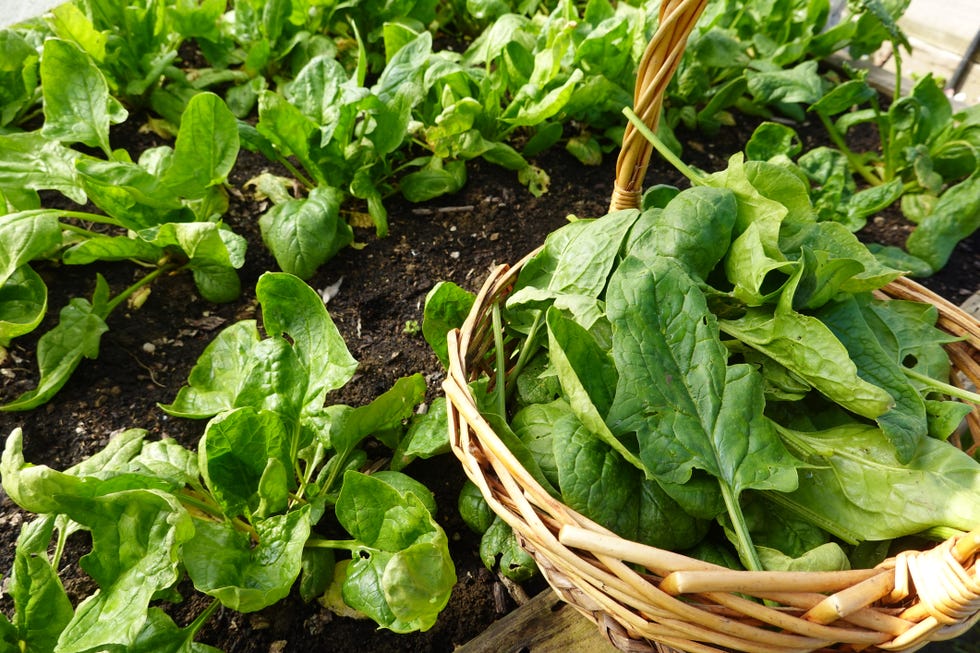

You can harvest baby spinach in as little as three weeks. Spinach needs cooler temperatures, so plant in mid- to late summer or early fall, depending on where you live, for fall and early-winter harvests.


Kale
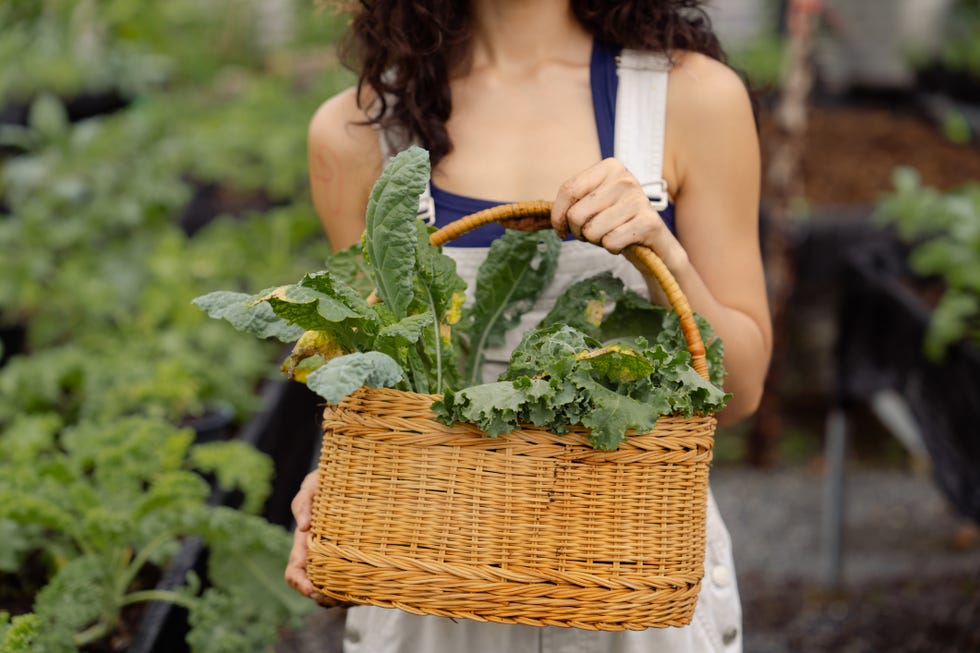

Kale comes in so many fun varieties. It takes about 60 days to mature but it’s quite cold-hardy and will taste sweeter after the first frost, so plan your planting accordingly. In many regions, the plants will survive well into the winter and pop up again next spring.
Carrots
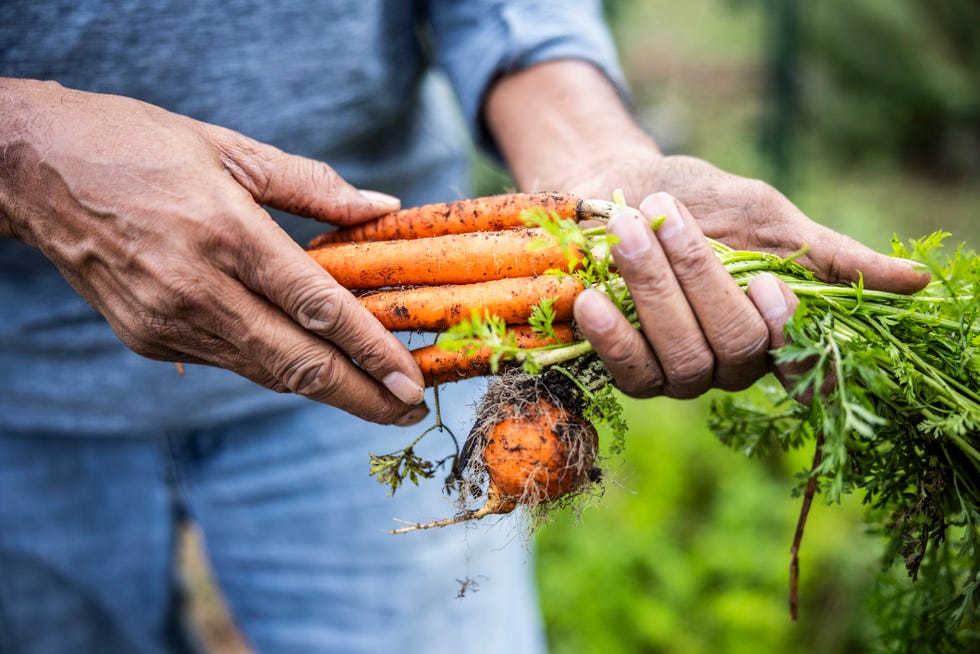

This root crop prefers to grow in cool weather. For a fall harvest, look for quick-growing dwarf varieties that mature in about two months.
Cilantro


Cilantro loves cool weather. In hot climates, plant cilantro in fall a month before the first frost is expected. Once it has flowered, wait for the seeds to form, then harvest the seeds as the spice coriander. Get cilantro-growing tips.
Radishes


There are some radish varieties that grow super fast and are ready in as little as three weeks. Plant in loose, well-draining soil in containers or beds. And don’t toss the leaves; they are edible, too. Try them in a salad with a maple-bacon dressing.
Lettuce


Lettuce grows well in pots because its roots are so shallow. It doesn’t like heat, though, so be sure to give it afternoon shade and keep the soil moist while waiting for it to sprout. Lettuce is one of the quickest veggies, with baby leaves of some varieties ready in about three to four weeks. Get lettuce-growing tips.


